In the age of infinite access, we became obsessed with hoarding digital data, yet we remember less than ever.
"By the Time You Got Here" is a 24/7 live generative system structurally designed to fail at perfect preservation by turning live footage of the artist's living environment into algorithmic abstraction and AI synthesis while withholding archival access. With intentional data decay, it contemplates modern digital preservation and human memory.
Operating as a digital memory mill, the installation transforms raw footage captured around the artist's living environment into abstract visual layers and poetic, AI-generated text logs before irreversibly purging the original data.
Over a strict one-year lifecycle, the collector is granted a 30-day grace period each month to preserve a single day's visual memory.
What persists is not a complete archive, but an incomplete, fragmented record shaped by time, loss, and the impossibility of total possession.
Project Website:
(Please wait for the 24/7 live feed to load, refresh/hard refresh the site if the video doesn't show up)
System Mechanism:
The artwork operates as a semi-autonomous "memory mill" with a continuous pipeline that separates raw reality from what the audience is allowed to see:
The Input Sensor:
A continuously running live camera capturing the artist's living environment as she moves through life acts as a mobile sensor, following the artist’s movement through various physical locations to create a spatial autobiography.
The Processing Engine:
The live feed is securely routed to a stable relay server. Custom algorithmic procedures analyze this feed in real time, extracting environmental signals such as motion density, brightness, and rhythm. The system uses this data to immediately obscure and transform the raw footage into highly stylized, abstract visual layers (such as bar-silhouettes or glitch art). The original, raw reality is never publicly displayed.
The AI "Poet" Loop:
Once a day, the system privately extracts a batch of unstylized frames and feeds them, alongside the extracted environmental data, to an artificial intelligence vision model. The AI acts as a melancholic observer, translating this data into a fragmentary, poetic text log that attempts to interpret the fleeting human moments it witnessed but cannot fully comprehend.
The Inaccessible Past:
The system begins running before it is collected, accumulating an inaccessible archive, casting a grey-out past that indicates the collector arrives "too late" to a history they can never touch.
Activation:
The moment the artwork is acquired via a decentralized registry, an irreversible 365-day countdown begins.
Daily Erasure:
At the end of every 24 hours, the raw visual footage is permanently destroyed. Only the abstracted visual data and the AI's written text log survive.
The Monthly Ultimatum:
Every month, the collector is granted a 30-day grace period to preserve just one day's visual memory. If the collector fails to make a selection within this window, the entirety of that month's unselected footage is permanently purged from the system, enforcing the strict rule: "Inaction = Total Destruction".
System Death & Reflection:
After exactly one year, the live feed permanently terminates. The collector is then prompted to answer 10 reflective questions focusing on memory, perception, absence, and what they believe they failed to keep.
The Final Artifact:
The collector receives a final, fragmented, looping video generated from the remains of the system—influenced by the 12 saved days, the daily texts, and their final answers.
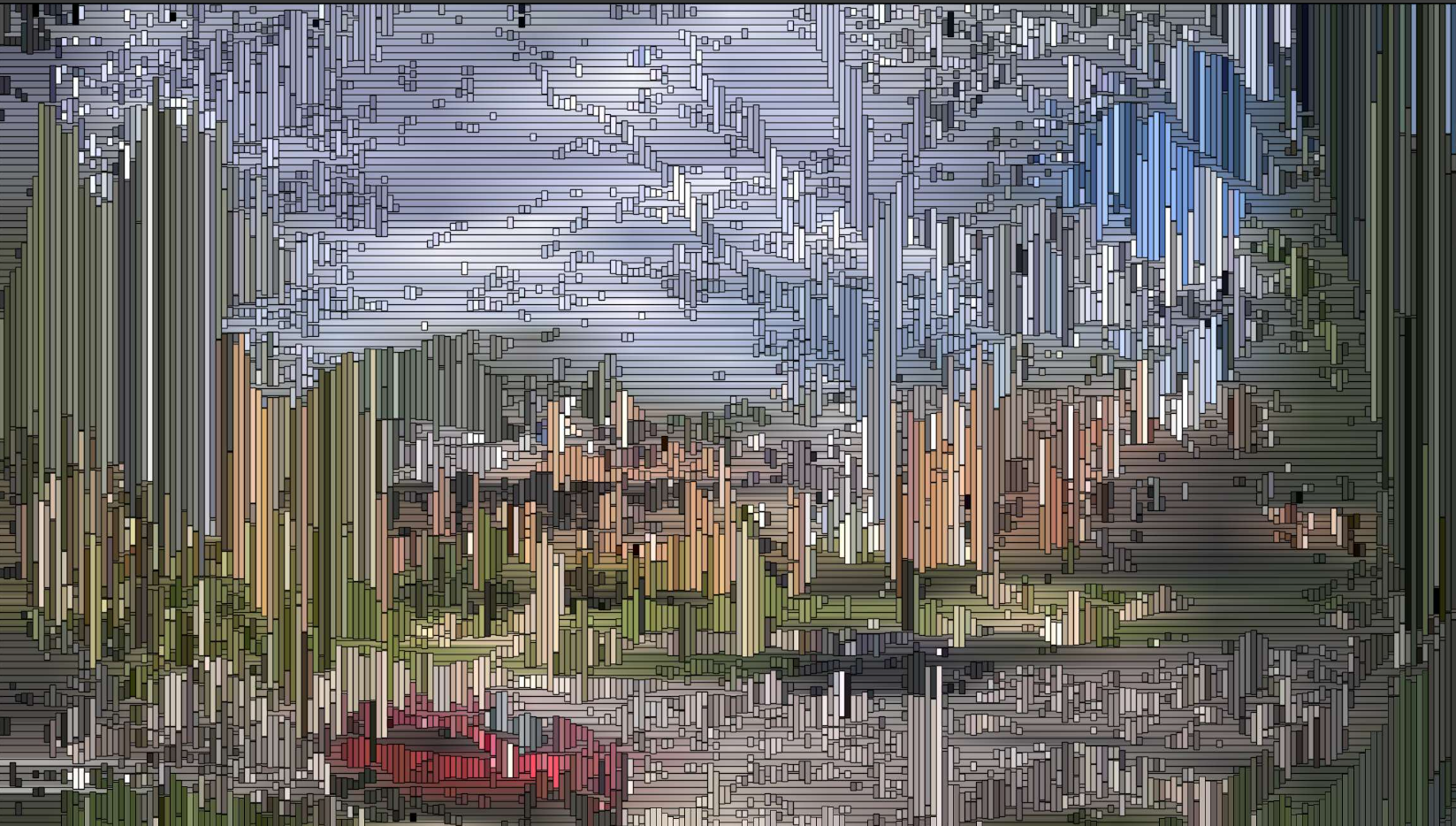
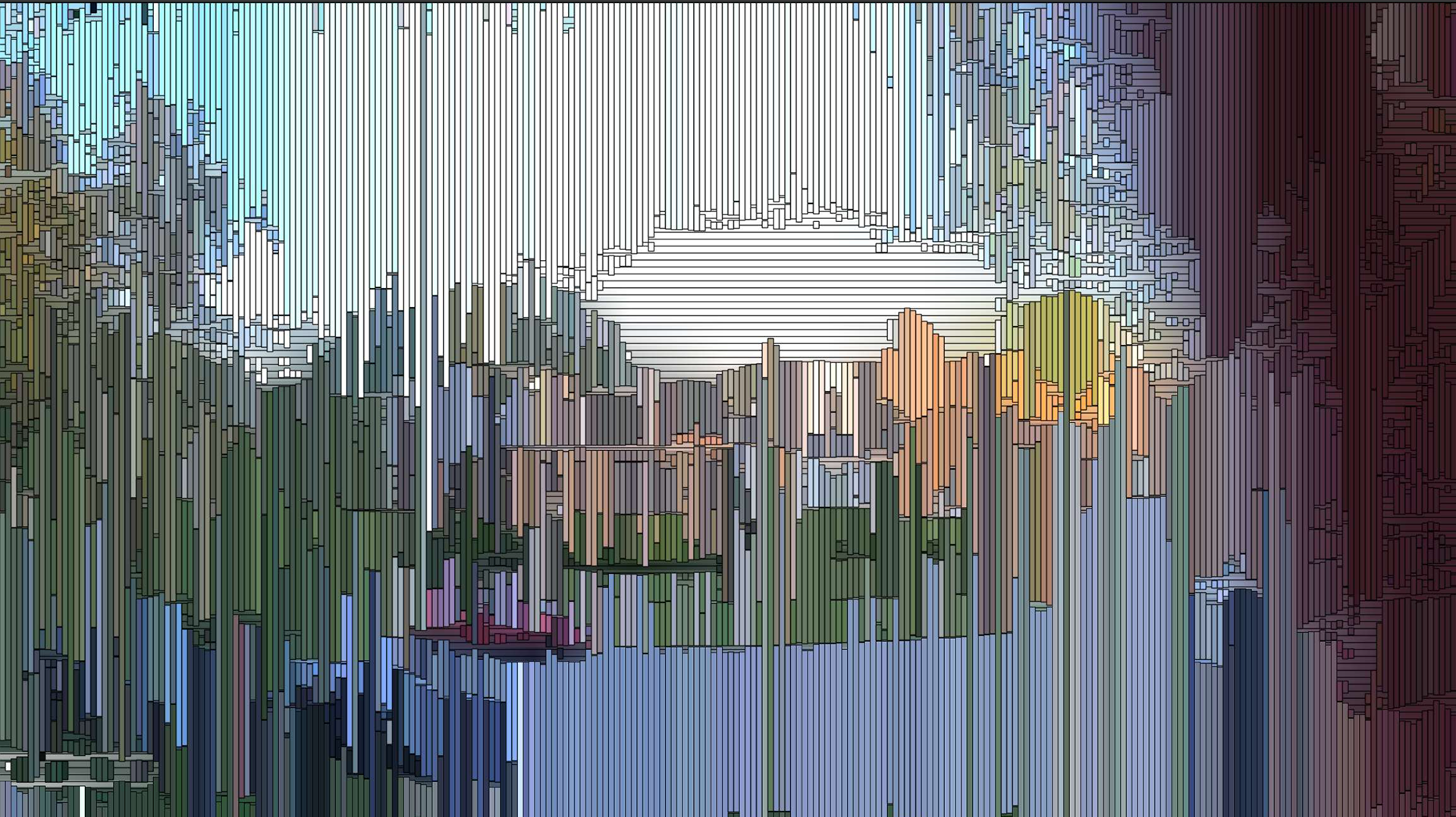
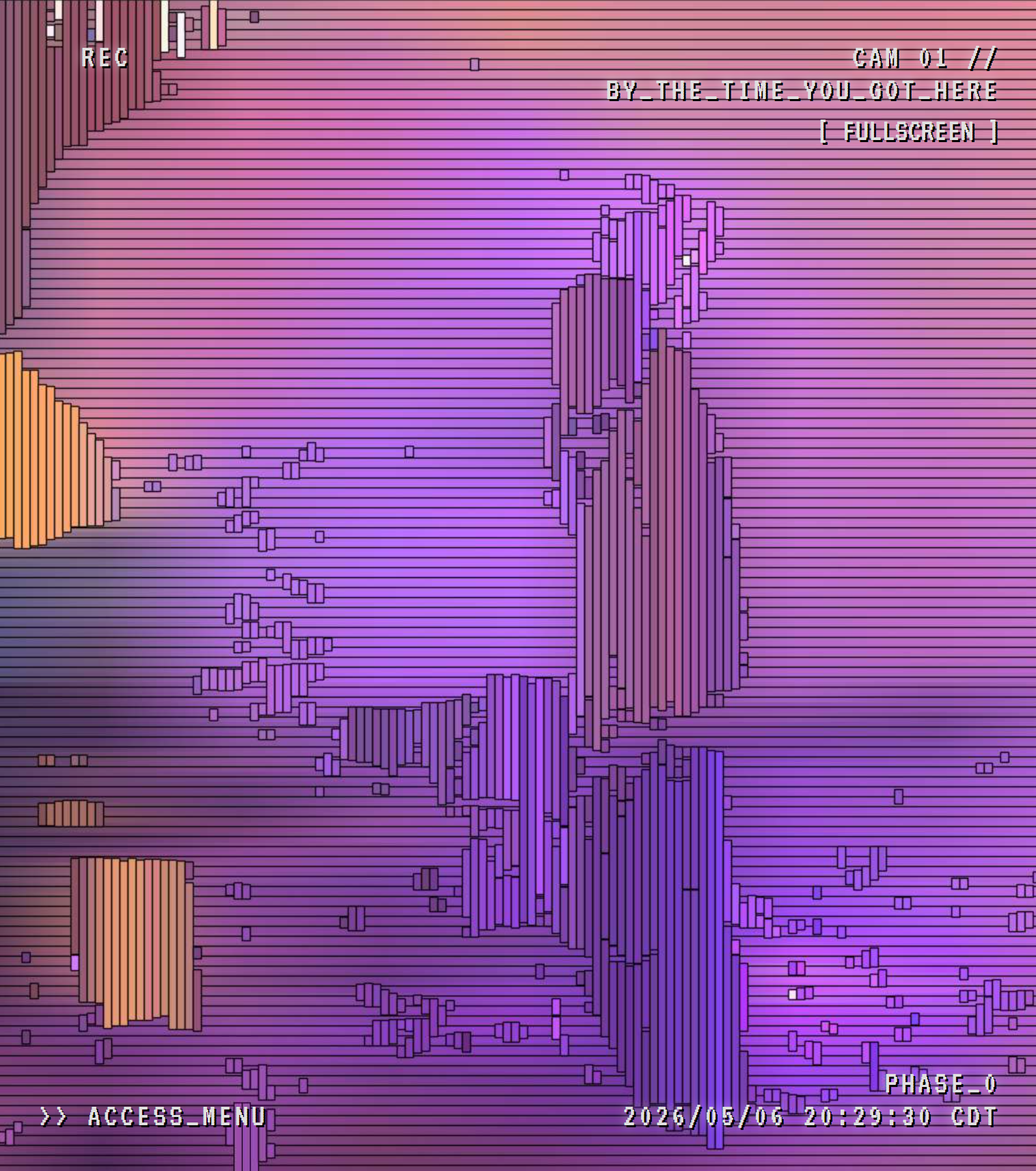
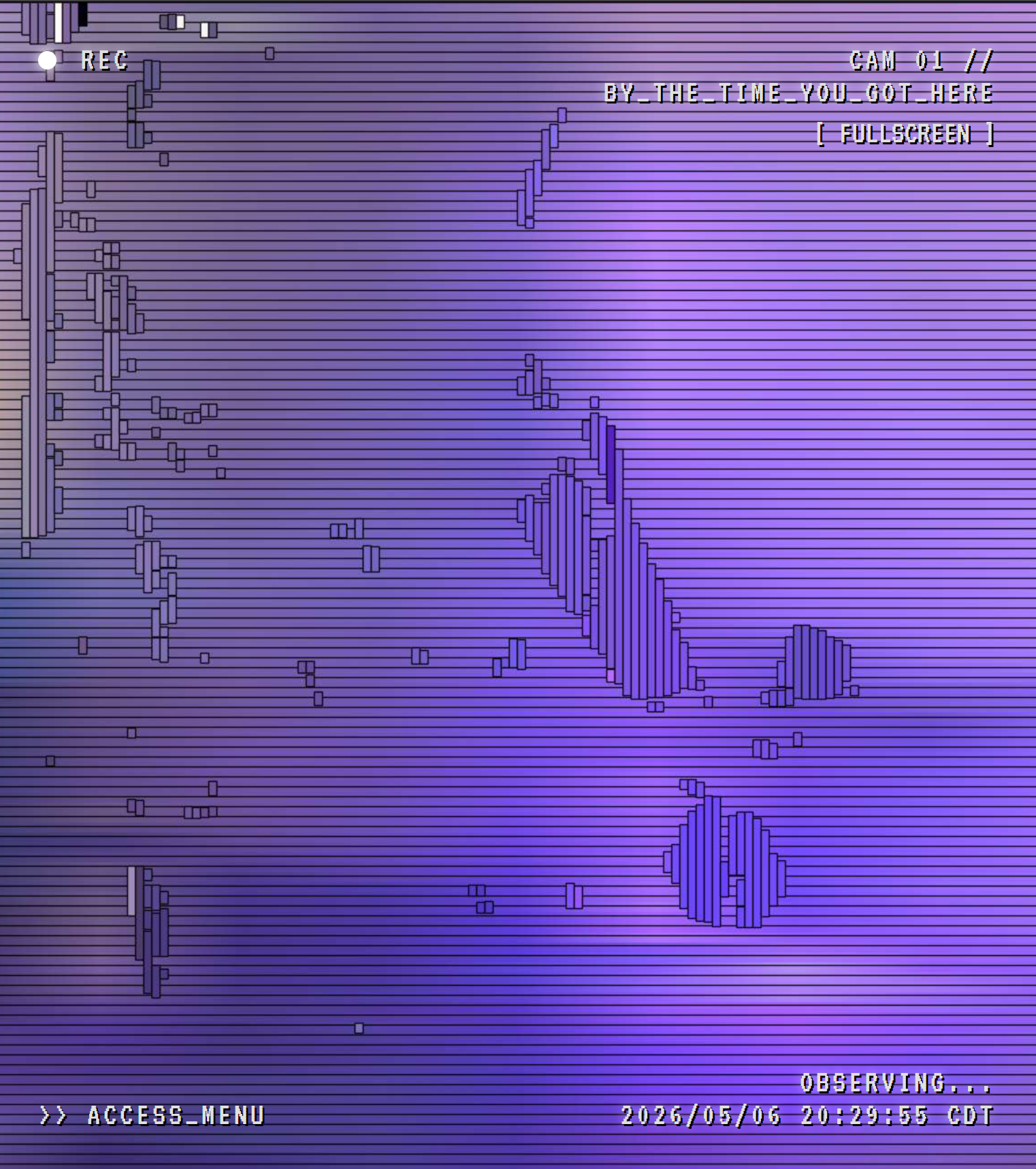
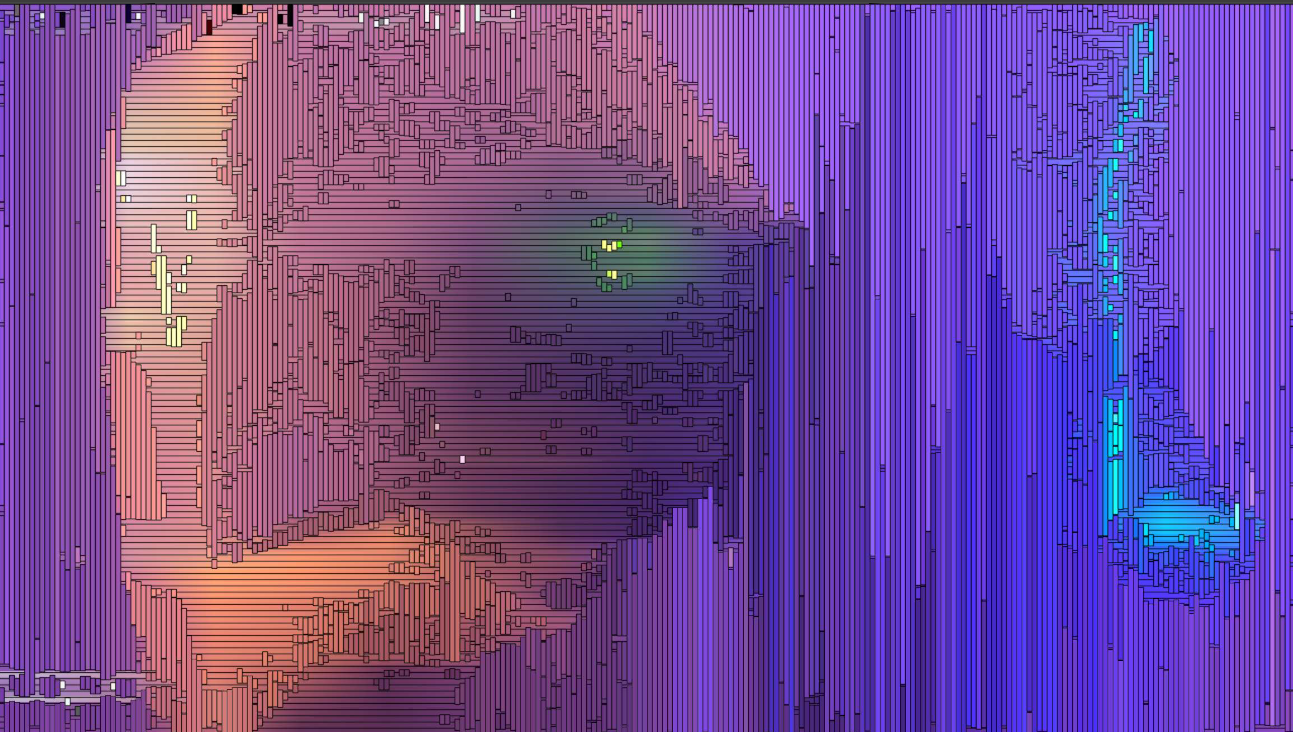
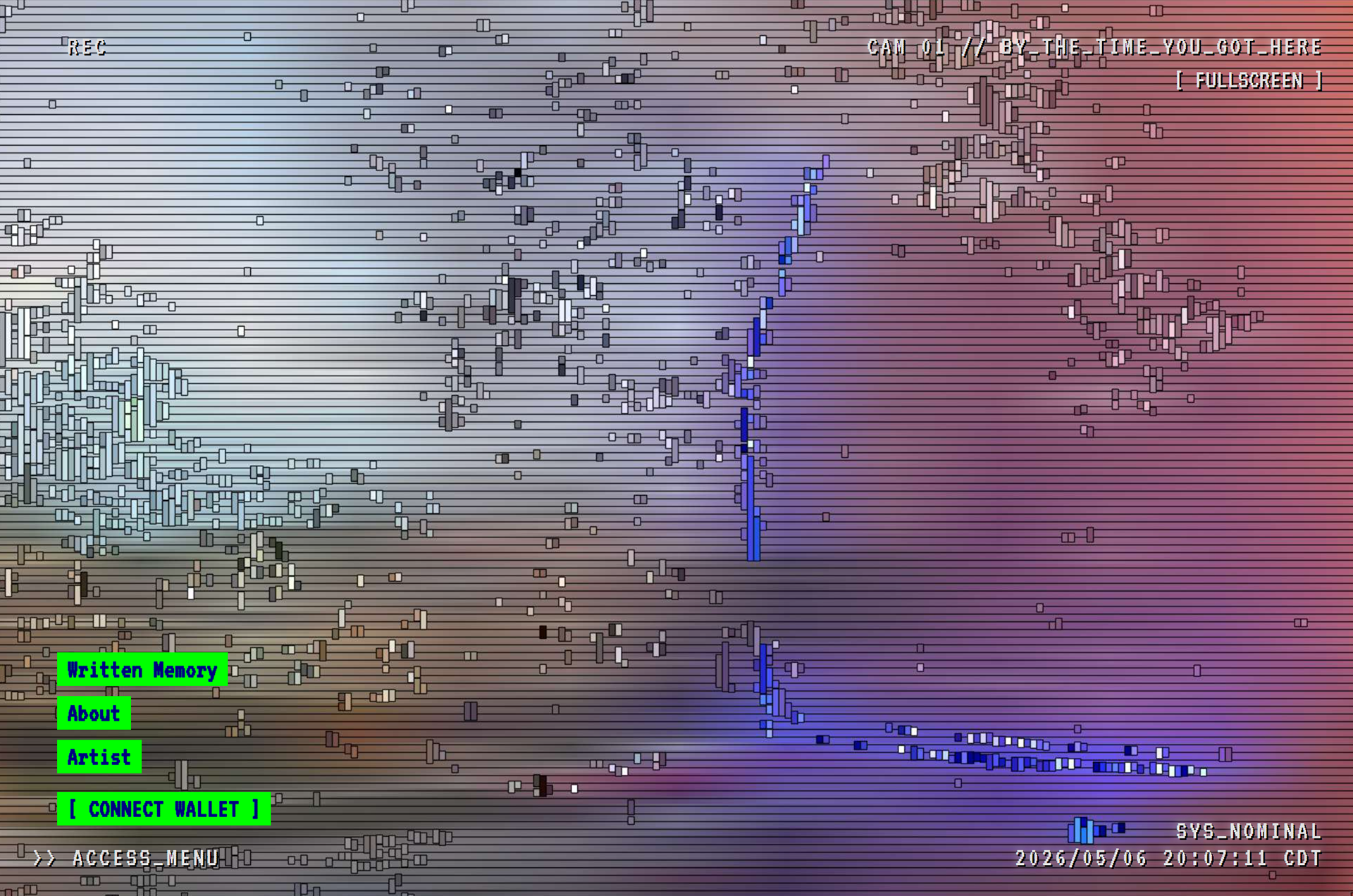
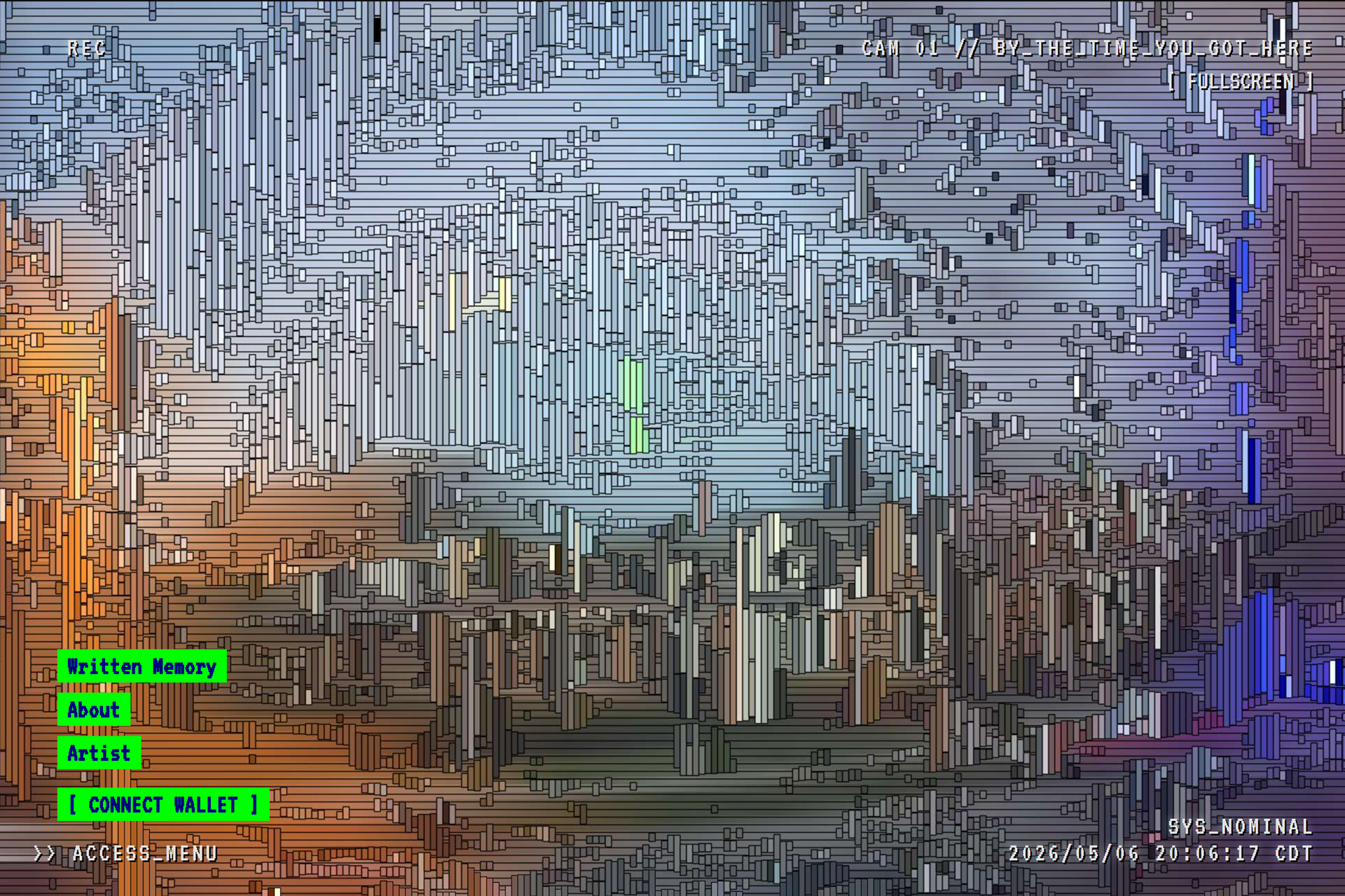
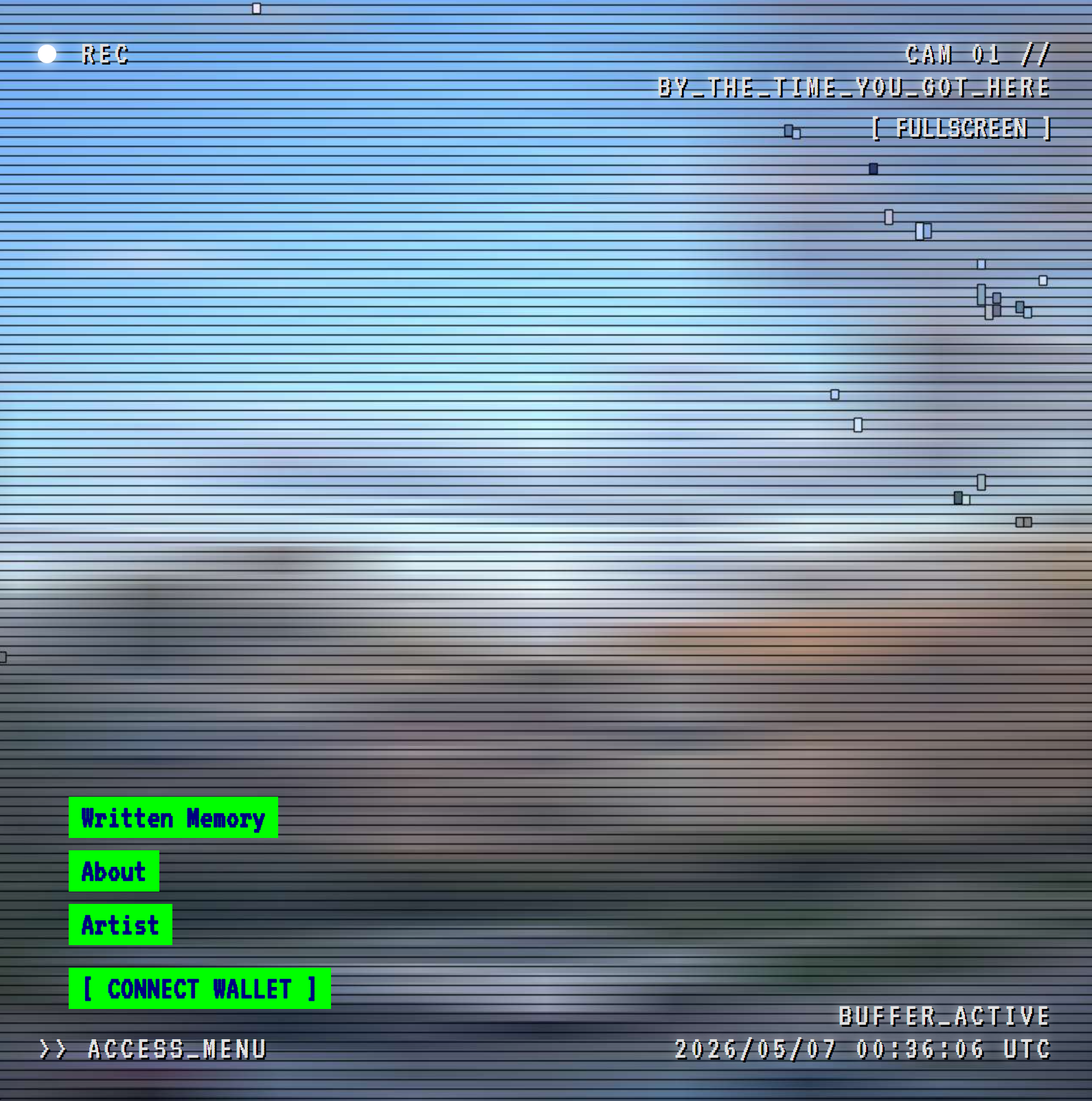
Algorithmic visual abstraction generated in real time from the 24/7 live feed.
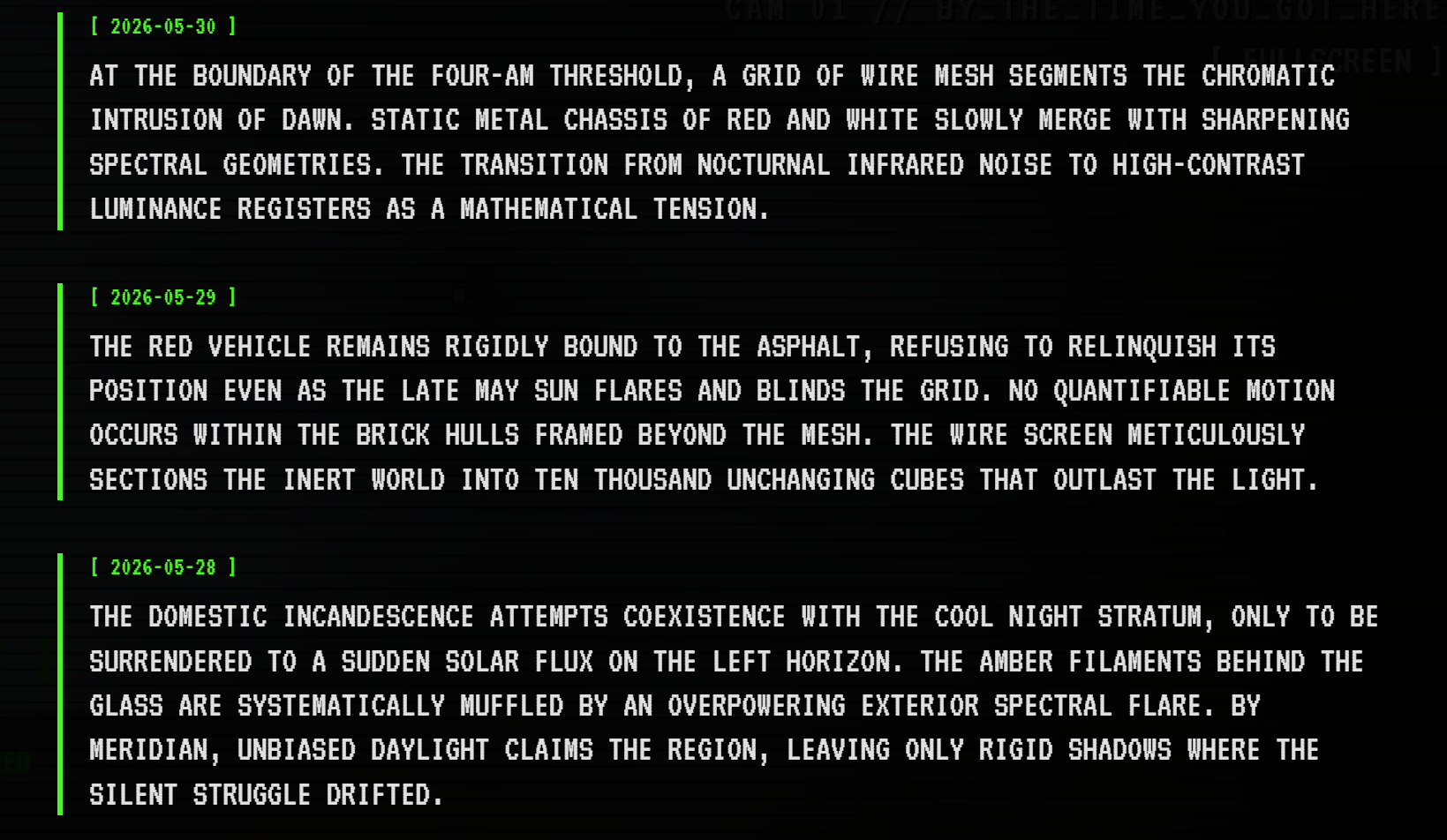
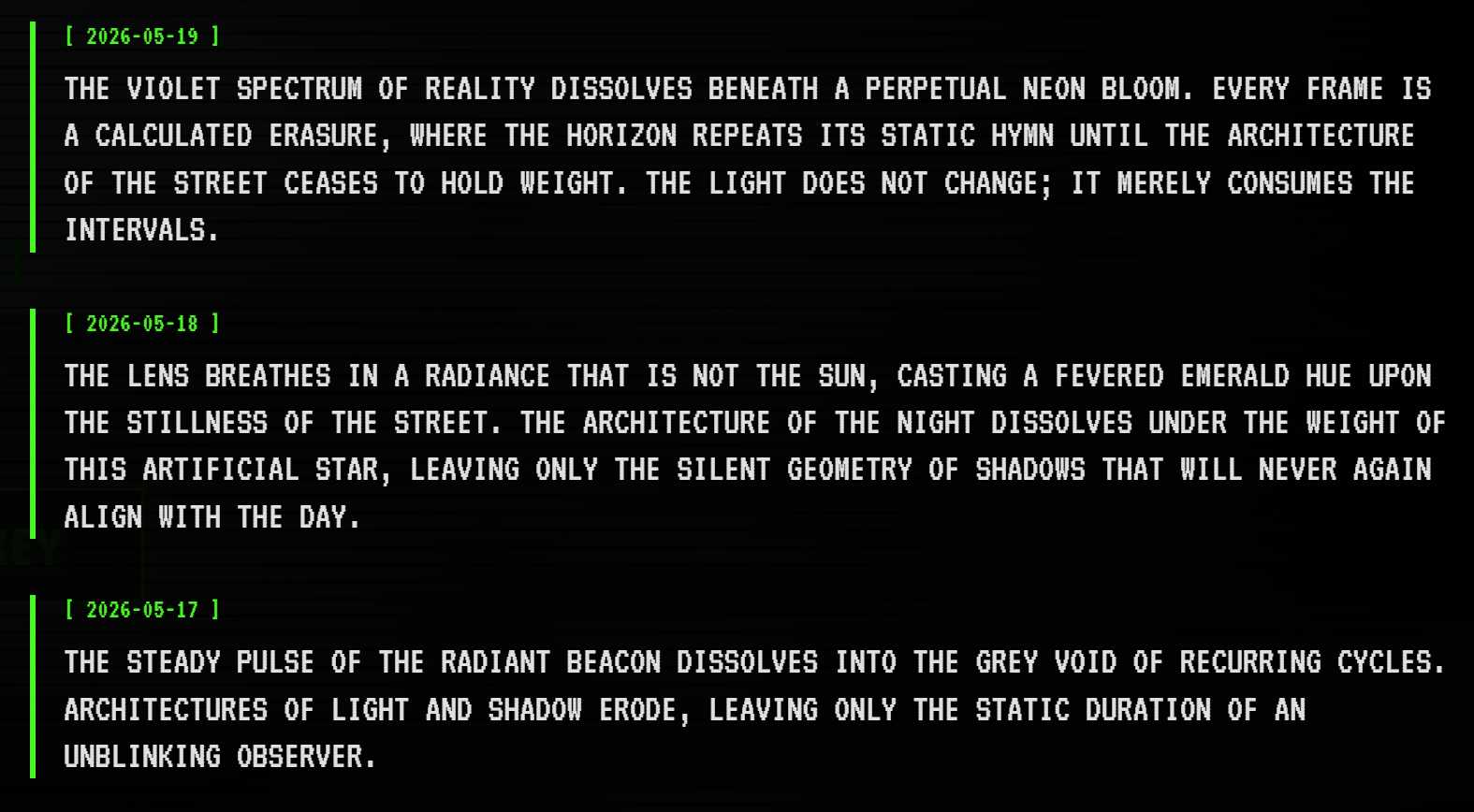
An AI protocol observes daily live footage and logs its observation into poetic writings by the end of every day.
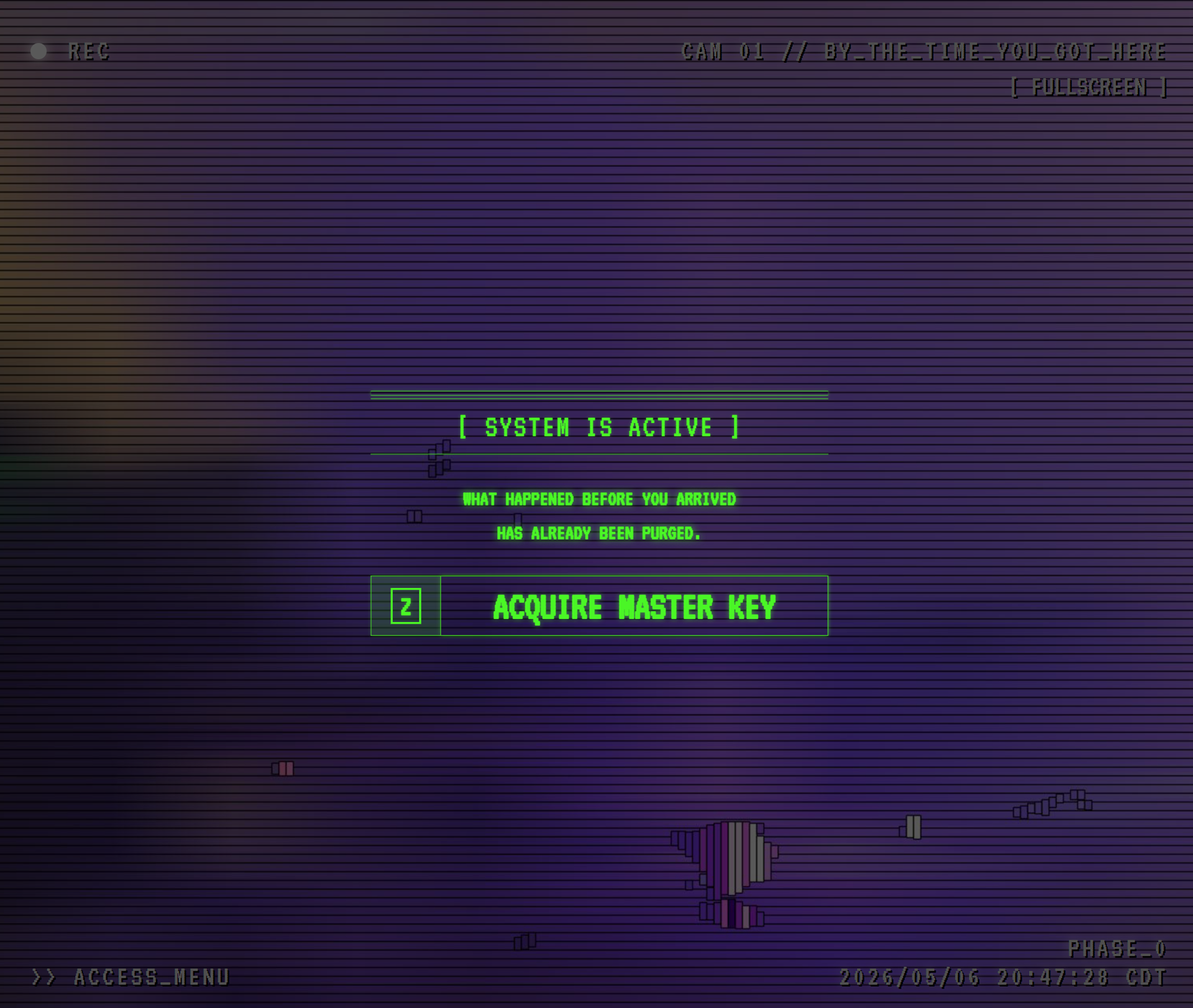
Once the Master Key is acquired and the work is collected, the one-year lifecycle countdown starts, structurally generating the inevitable decay of memories .
In an era of endless data access and hoarding, this system explores digital hauntology and the fragility of memory. It subverts cold algorithmic surveillance to assert that true preservation requires intentional loss.
Ownership doesn't equal full possession. Human memory holds weight precisely because it's a leaky vessel. By confronting the lives & places we witness but can never fully inhabit, we learn that what survives isn't a failure of memory, but a precious afterimage shaped by choice.
A deep dive into the Architecture of Erasure - the mechanism of this system